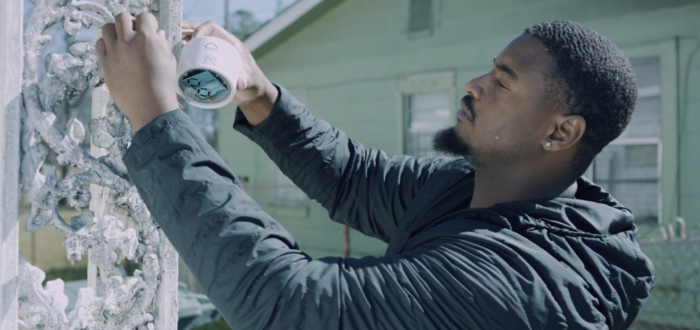
The Solutions Project, NAACP, community groups, creators and universities across the country celebrated the 6th annual Black Climate Week, a powerful storytelling campaign celebrating Black leadership in the climate movement. This year’s campaign specifically highlighted Black communities that are not only acting as climate innovation hubs, but also leading the fight against power- and water-greedy data centers, one of the most consequential climate issues of our time. This year over 180 organizations participated – sharing online content, holding events, organizing advocacy moments and more.
“As Black Climate Week demonstrates, no matter the political landscape, Black communities remain undeterred from leading on intersectional solutions on climate, race, and gender,” said Gloria Walton, president and CEO of The Solutions Project. “While the federal government has chosen to ignore the urgency of the climate crisis, frontline communities don’t have the luxury to do the same. They are living the worst impacts of climate change, from historic and present day underinvestment to food inequality and unpredictable flooding.”
Some select highlights:
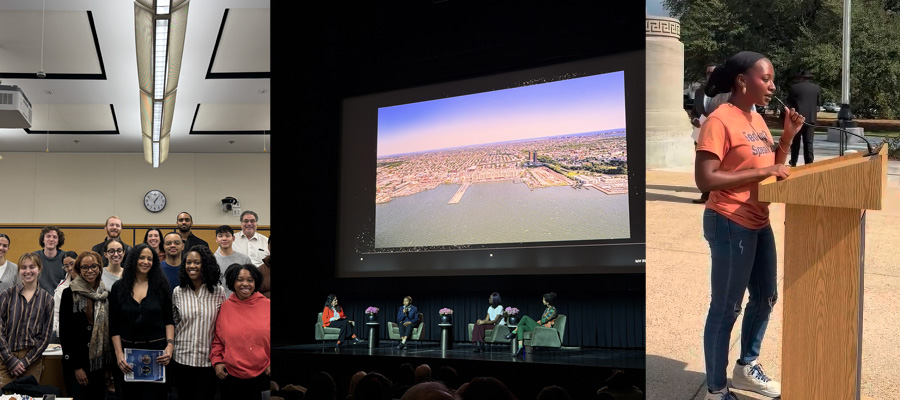
“Black communities understand we have no time to waste. This work isn’t just about surviving, it’s about thriving and building a more equitable future we all deserve. From green, affordable housing to community-owned solar, climate solutions look like lower energy bills, healthier neighborhoods, and good paying jobs. Black communities are leading, and we need everyone—funders, policymakers, and the public—to stand in solidarity and take back our democracy.”
Gloria Walton, President and CEO of The Solutions Project
Across the country, Black communities—which are disproportionately impacted by climate change—are developing climate solutions and securing climate policy and legal victories, such as:
“Climate justice is civil rights work, and Black communities have long been at the forefront of fighting environmental harm while advancing solutions that protect our health and our futures. Black Climate Week creates critical space to uplift the leadership, storytelling, and lived experiences of Black communities who are not only most impacted by climate change, but are leading the way forward. The NAACP is proud to join The Solutions Project to highlight why stopping dirty data, critical water infrastructure, making polluters pay, climate disaster resiliency, and other campaigns are Black-led and frontline centered climate solutions rooted in equity and justice for the communities we serve.”
Abre’ Conner, Director of Environmental and Climate Justice, NAACP
In recognition of the political vacuum on climate change at the federal level, The Solutions Project and NAACP asked local elected officials and cities to pledge to support Black-led climate solutions as part of Black Climate Week and beyond. 6 cities signed on to support Black Climate Week, in addition to 7 elected/appointed officials. The City of Newark’s Office of Sustainability, Resilience, and Community Transformation has been particularly enthusiastic. It joined Black Climate Week for a 2nd year by hosting three community-centered events across the city.
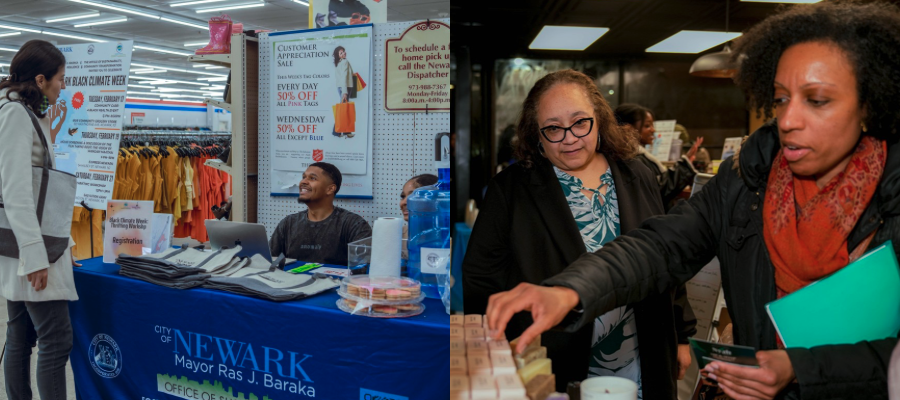
“The City of Newark’s Office of Sustainability, Resilience, and Community Transformation was inspired by The Solutions Project’s Black Climate Week and tailored that vision to Newark’s unique story. Newark Black Climate Week centers Black voices, culture, and creativity while creating space for healing, learning, and practical solutions that respond directly to the environmental realities our communities face every day. This year we are exploring the links between climate and health, uplifting the legacy of Wangari Maathai, and engaging residents through practical workshops like environmental thrifting. These moments show how collective action can drive climate justice and community well-being.”
Newark’s Chief Sustainability Officer Nicole Hewitt-Cabral
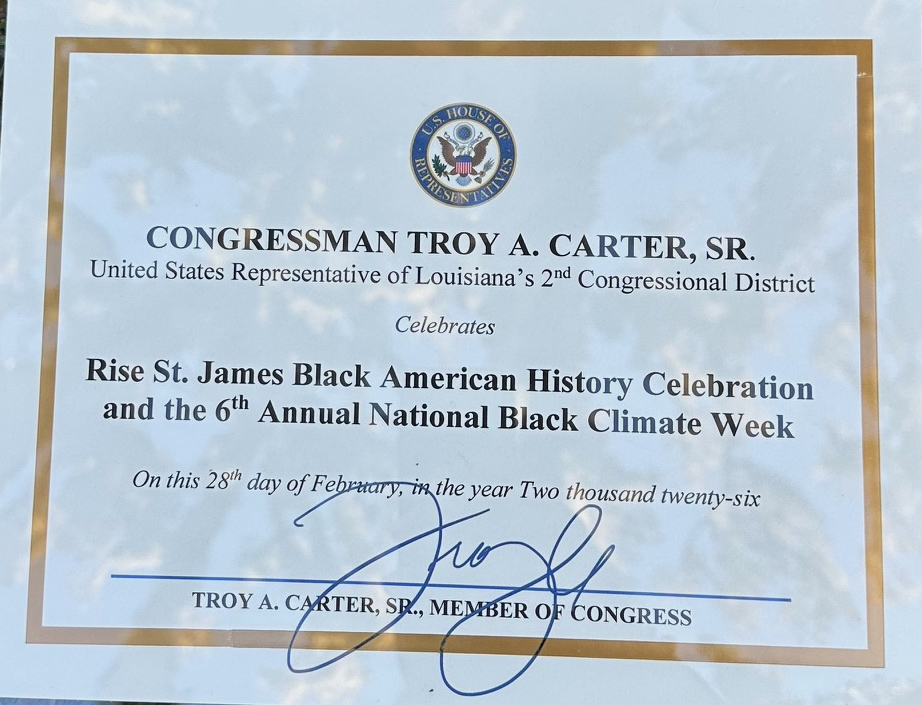
In Louisiana, Congressman Troy A, Carter Sr,
We also saw the world of philanthropy step up. Southern Black Girls and Women’s Consortium (Southern Black Girls) launched its Environment and Climate Justice Fund, a new grant initiative dedicated to supporting organizations that advocate for and build solutions around environmental and climate justice impacting Black girls, women, and femme-identifying youth in the South.
The fund opens during Black Climate Week 2026 (February 21–28), a national campaign led by The Solutions Project and the NAACP now in its sixth year that centers Black communities as hubs of climate innovation and justice. By launching alongside this national moment of recognition, Southern Black Girls is amplifying a clear message: investing in organizations that center Black women and girls is one of the most powerful strategies for building climate resilience in the communities that need it most.
“By centering joy as both resilience and resistance, Southern Black Girls is building a future in which our communities have the infrastructure, resources, and power to survive and thrive amid environmental pollution and climate change,” Lundy added. “Black Climate Week reminds us that our communities aren’t just surviving climate change—they’re solving it. This fund is our investment in those solutions.”